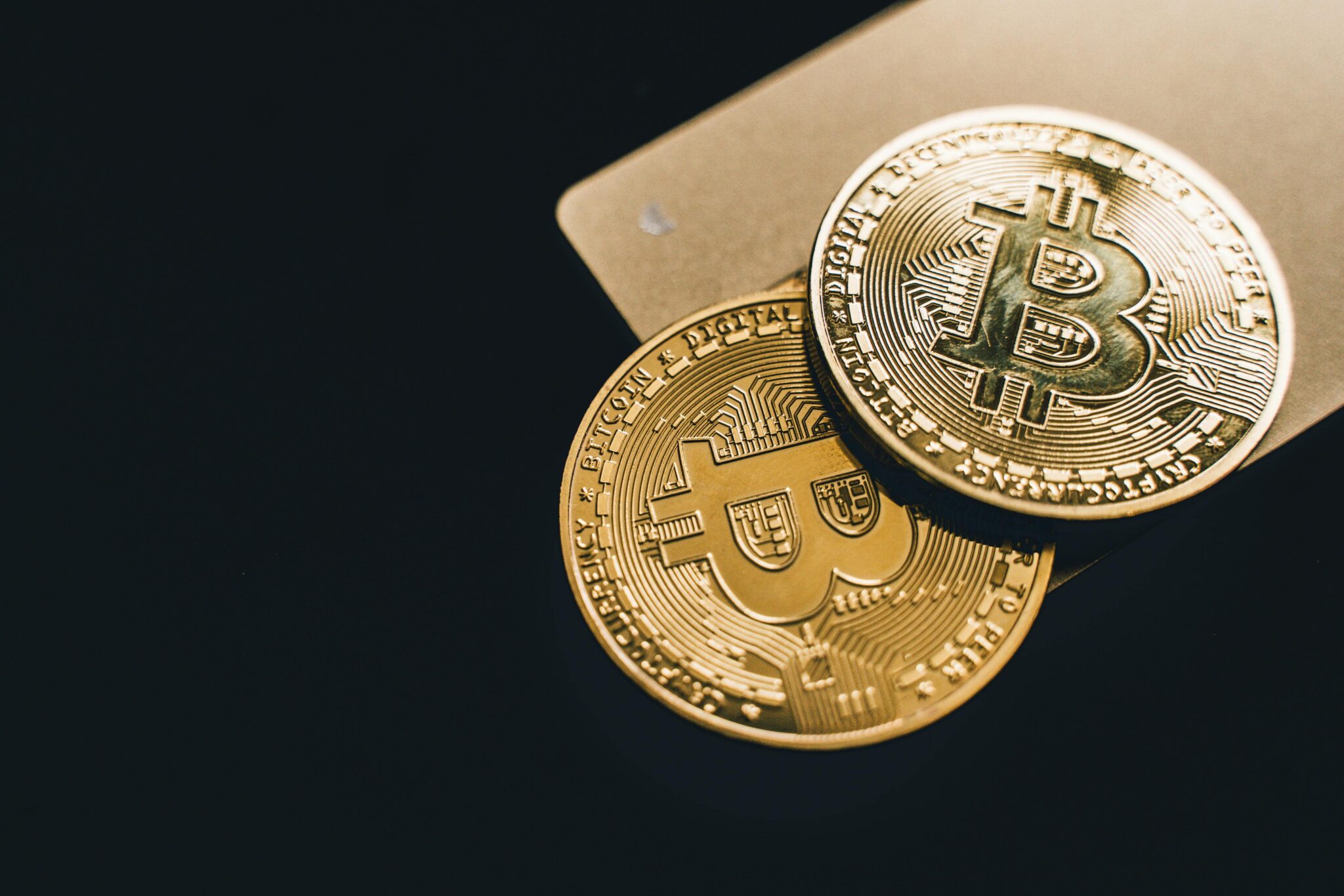

Over the past ten years, the methods of investing in cryptocurrency have changed significantly and the contention is still whether bitcoin or ethereum is the better long-term investment in 2026?
To sum it up, the two are pretty good performers; each of them has its own peculiar strength, and they both are designed for different application in the crypto world.
This 2026 guide reviews Bitcoin and Ethereum on the basis of technology, product, performance, risk, and future potential to figure out the right investment for you.
| Feature | Bitcoin (BTC) | Ethereum (ETH) |
|---|---|---|
| Launch Year | 2009 | 2015 |
| Primary Purpose | Digital gold, store of value | Decentralized apps & smart contracts |
| Consensus Mechanism | Proof of Work → Layered solutions | Proof of Stake |
| Supply | Fixed 21 million | No fixed cap |
| Volatility | Lower | Higher |
| Ideal For | Long-term store of value | Utility, DeFi, smart contracts, staking |
| Long-Term Potential (2026) | Strong | Very Strong |
2. Bitcoin in 2026: Strengths, Weaknesses & Investment Potential
Why Bitcoin Remains Strong in 2026
Digital Gold Status: Bitcoin is still the most reliable and recognized digital asset.
Limited Supply: The limited supply of 21 million keeps the demand and scarcity of the commodity extremely high.
Institutional Adoption: The future looks bright with more and more ETFs, corporate holdings, and global acceptance.
Strong Security: Bitcoin’s network is still the most secure blockchain.
Bitcoin Weaknesses in 2026
Slow Transaction Speed
No Smart Contract Functionality
Limited Innovation Compared to Ethereum
Who Should Choose Bitcoin?
Low-risk crypto investors
Long-term holders (HODLers)
Investors seeking stability and value storage
People looking for inflation hedge
3. Ethereum in 2026: Strengths, Weaknesses & Investment Potential
Why Ethereum Is Surging in 2026
Smart Contract Leader: Ethereum remains the platform number one for Web3, DeFi, NFTs, and dApps.
ETH 2.0 Success: Thanks to ETH 2.0, the network now enjoys lower fees, faster transactions, and better scalability.
Staking Rewards: Stake your ETH and generate passive income as an investor.
Enterprise Use Cases on the Rise: Finance, gaming, supply chain, tokenization…
Ethereum Weaknesses in 2026
Higher Volatility
Competition from Solana, Avalanche, BNB Chain
No fixed supply, meaning that inflation can occur
Who Should Choose Ethereum?
Investors looking for substantial capital appreciation
Believers in Web3, DeFi, AI agents, and tokenized assets
Individuals who want to generate income through staking
Long-term investors with a high risk tolerance
4. Bitcoin vs Ethereum: Performance Outlook for 2026 & Beyond
Price Growth Outlook
Bitcoin: Growth that is stable and gradual comes from scarcity and institutional demand.
Ethereum: Much greater growth potential because of constant innovation and real-world application.
Risk Level
Bitcoin: The trade-off here is that the risk is low but so is the potential reward.
Ethereum: The possibility of higher returns comes with higher risk.
Utility
Bitcoin → A reliable store of value
Ethereum → A technology platform that is driving the decentralized app and AI agent-economy futures.
5. Which Is Better for Long-Term Investment in 2026?
✔️ Choose Bitcoin if you want:
Long-term stability
Lower risk
A hedge against inflation
A universally accepted store of value
✔️ Choose Ethereum if you want:
Potential for substantial capital growth
Exposing yourself to the innovative sectors of DeFi, Web3, and tech
Being able to earn the staking rewards
Higher returns with slightly more risk
6. Final Verdict: Bitcoin or Ethereum in 2026?
For most beginners in 2026, a mixed strategy is the most effective:
60% Bitcoin to add stability to the portfolio
40% Ethereum to keep pace with growth
Bitcoin shields your wealth.
Ethereum expands your wealth.
Both will be the best long-term crypto investments to hold onto in the next decade.